What We Offer
LifeTime Design LTD works with meticulous attention to detail. Working closely with clients and project teams to produce custom made, quality pieces. Based on experience and collaborating with trusted colleagues and suppliers, we focus on producing practical, quality work. From client consultation to design & production to installation, we aim to add value to our clients projects in each stage.
-
Custom fabrication in welding is the process of building tailor-made metal structures designed to meet specific, non-standard requirements rather than using mass-produced parts. It prioritizes problem-solving and high-quality craftsmanship over assembly-line speed, it is the go-to method for creating unique architectural features that require a perfect fit and specific material properties.
-
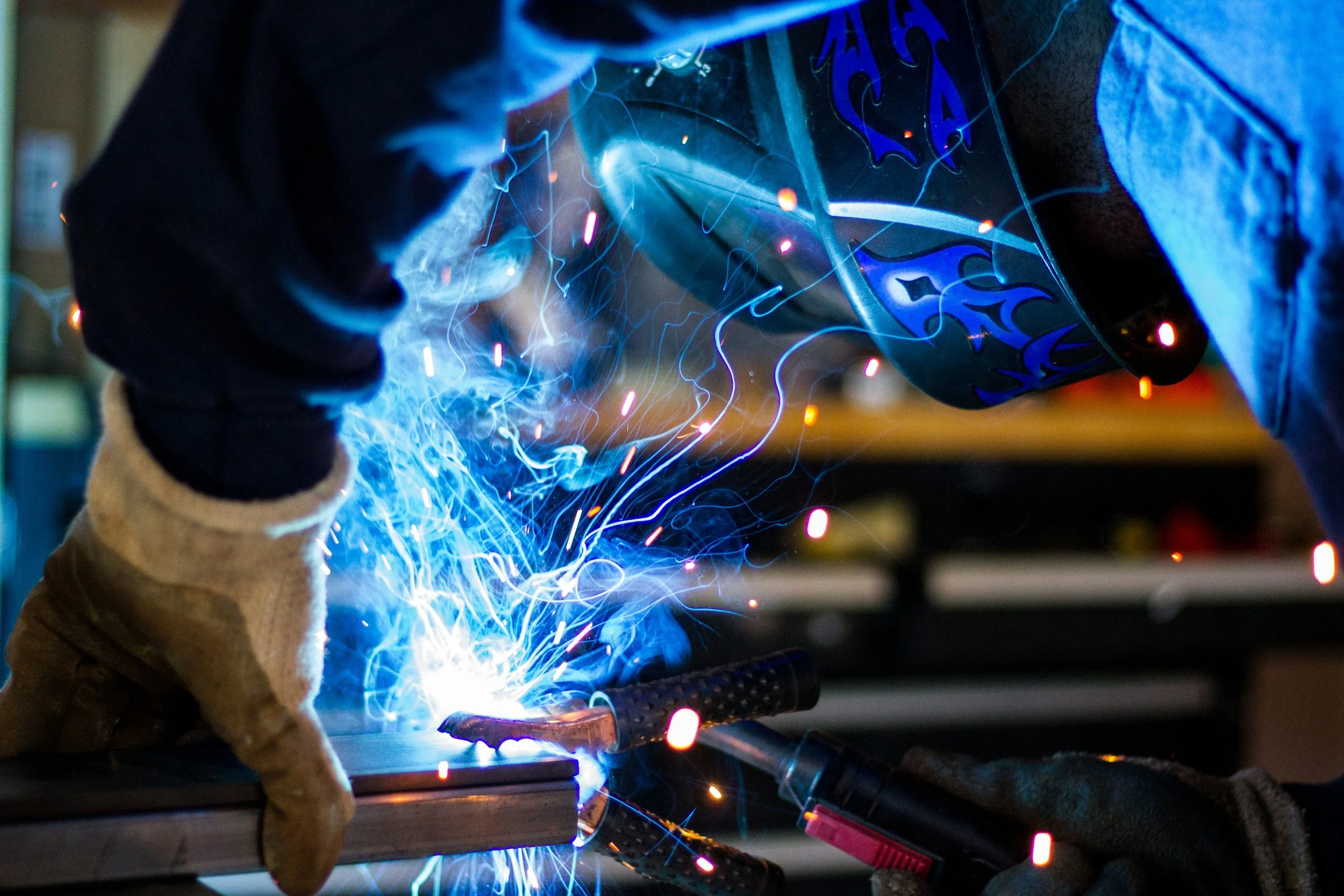
MIG welding is the "point-and-shoot" method, using a machine-fed wire that acts as both the electrode and filler, making it fast, and ideal for thick materials or long structural runs. TIG welding is a highly technical "two-handed" process that produces incredibly precise, clean, and aesthetically superior welds. While MIG is the go-to for speed and high-volume work, TIG is preferred for thin metals, exotic alloys, and critical joints where artistic detail and minimal cleanup are the top priorities.
-
Repair is all about getting something back to work. It’s a "utility-first" approach where the main goal is to fix a break or a crack so the item is safe and strong again. Think of it like putting a sturdy patch on a pair of work jeans; you aren't worried if people see the stitches, as long as the pants don't rip while you're working. It's often done on structural frames where strength matters much more than looks.
Restoration, on the other hand, is like "invisible surgery" for metal. The goal isn't just to fix the part, but to make it look like it was never broken or aged in the first place. This requires a much gentler touch and a lot of patience, as the welder has to carefully blend the new metal with the old to preserve the original character of the piece. Whether it’s a vintage car or an antique gate, restoration is about bringing a piece back to its "glory days" with seamless, hidden craftsmanship.
-
Modifications are about upgrading or altering an existing structure to change how it functions or performs. Unlike a repair, which fixes something broken, a modification takes a perfectly good part and adapts it to meet a new need—like lengthening a vehicle's frame, adding reinforcement brackets to a trailer for heavier loads, or installing custom mounting points on a piece of industrial equipment. It is the art of "re-engineering" on the fly, requiring the welder to understand how adding new metal or changing the original shape will affect the overall balance, strength, and integrity of the project.
-
CAD (Computer-Aided Design) is the digital bridge between a creative vision and a structural reality. It allows designers and welders to create precise 3D models of complex structures, like spiral staircases, ornamental railings, or modern sculptures, well before any metal is cut. The software calculates the exact angles, weight distribution, and material requirements, ensuring that intricate designs are not only beautiful but also meet strict building codes and safety standards. By using CAD, we can "virtually assemble" the project to catch potential fitment issues, generating a perfect digital blueprint that guides high-precision fabrication and a flawless final build.
The LifeTime Process
-
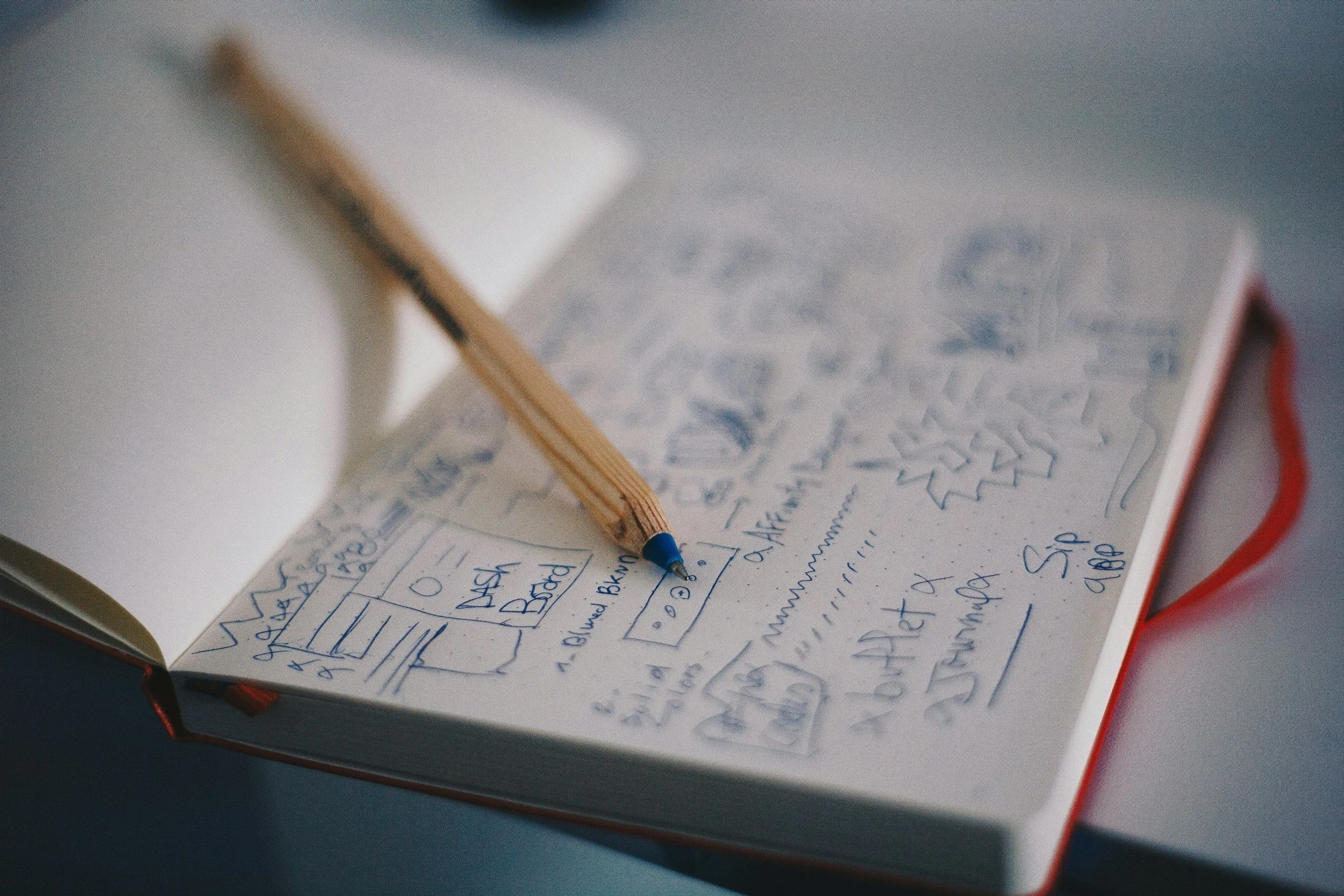
➤ Consult and Concept Design
The process begins by connecting with the client to understand the project’s intent, whether it’s a modern staircase or custom ornamental brass work. During this stage, the team reviews architectural sketches or CAD files and provides professional recommendations on material selection (such as Stainless Steel, Aluminum, or Copper) to ensure the design is both beautiful and structurally sound.
-
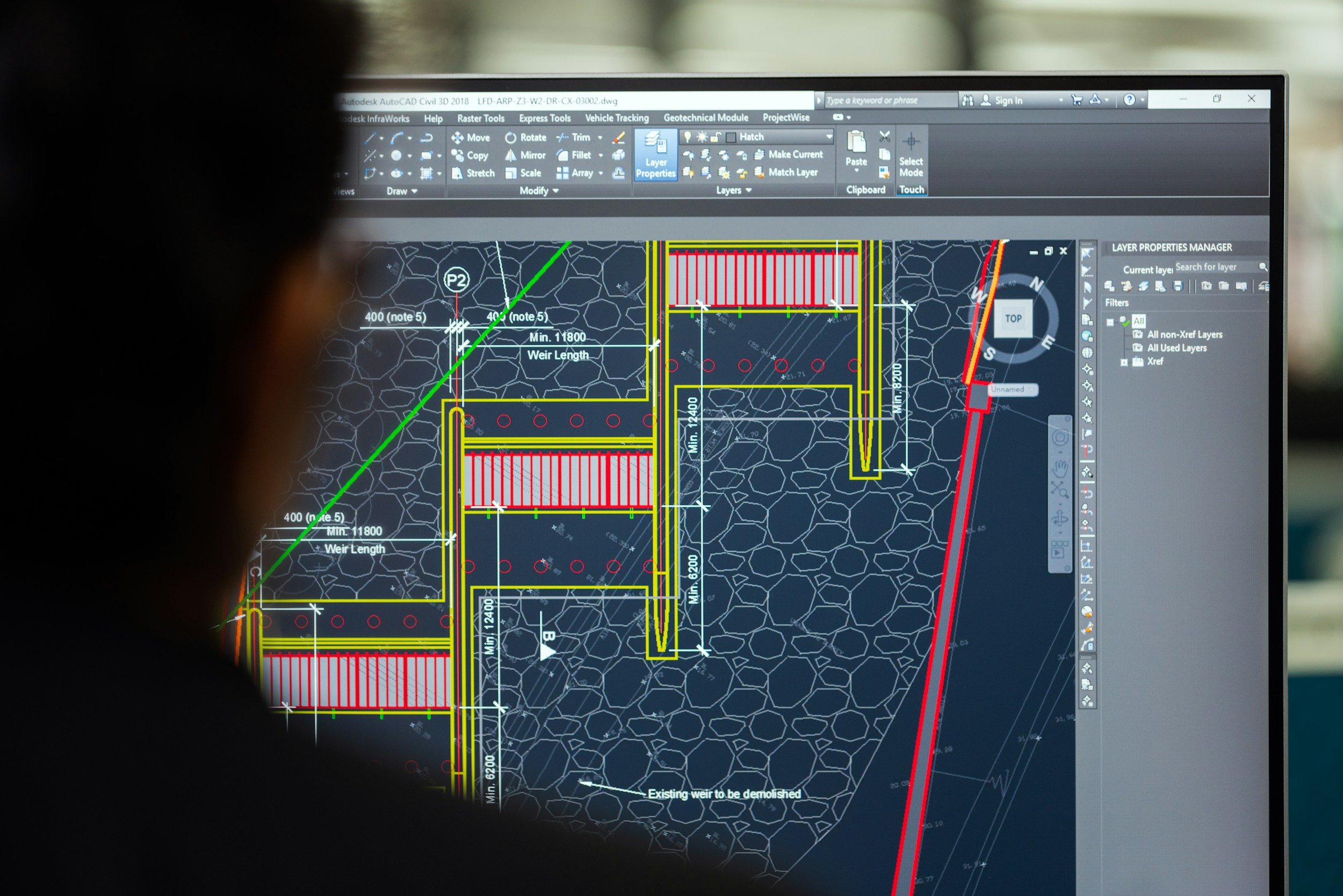
➤ Digital Engineering and CAD
Once the vision is clear, we move into the digital realm. Using advanced CAD software, we create a high-precision 3D model of the project. This allows for "virtual assembly" where every joint and measurement is verified. This digital blueprint acts as the definitive guide for the fabrication team, eliminating errors before a single piece of metal is even touched.
-

➤ Fabrication and Welding
In the shop, raw materials are cut and shaped using precise machinery. This is where the core welding expertise comes in, often utilizing TIG welding for its clean, surgical finish on architectural features. The components are carefully fitted, tacked, and then fully fused to create a structure that meets the highest standards of craftsmanship and durability.
-
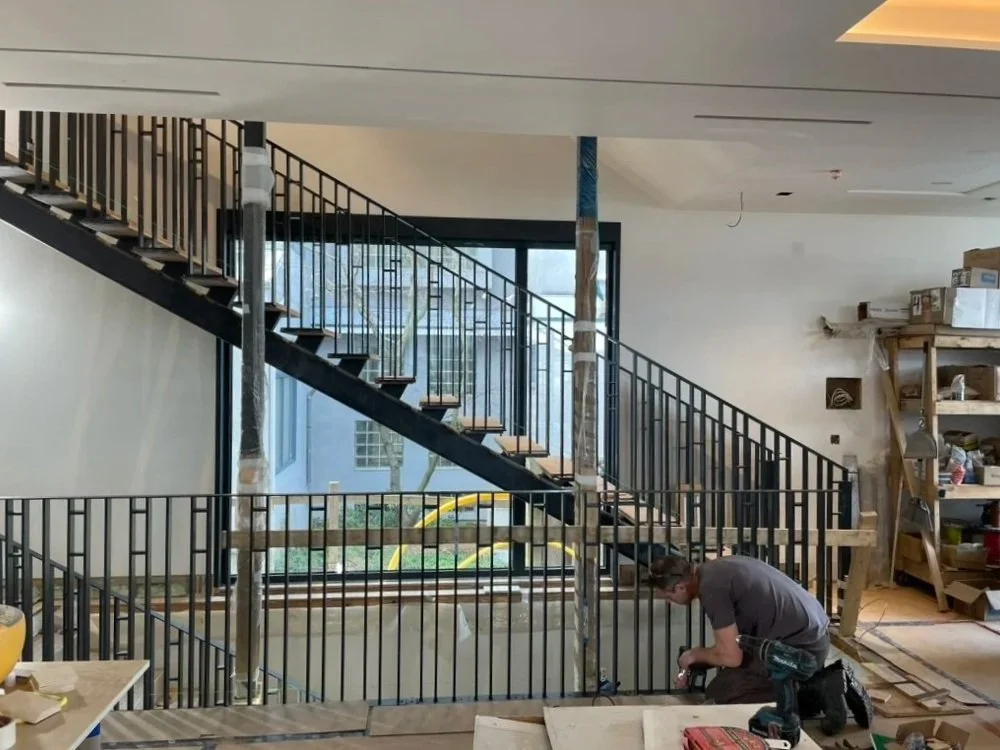
➤ Finishing and Final Install
The final step is the "revival" of the metal through expert finishing. Depending on the desired look, the piece may be polished, brushed, or powder-coated to resist the elements and look flawless. We manage the logistical challenge of on-site installation, ensuring the finished work integrates seamlessly into the architectural space and passes all final quality inspections.
Architectural Fabrication Tools
-
![]()
« MIG and TIG Welders »
-
![]()
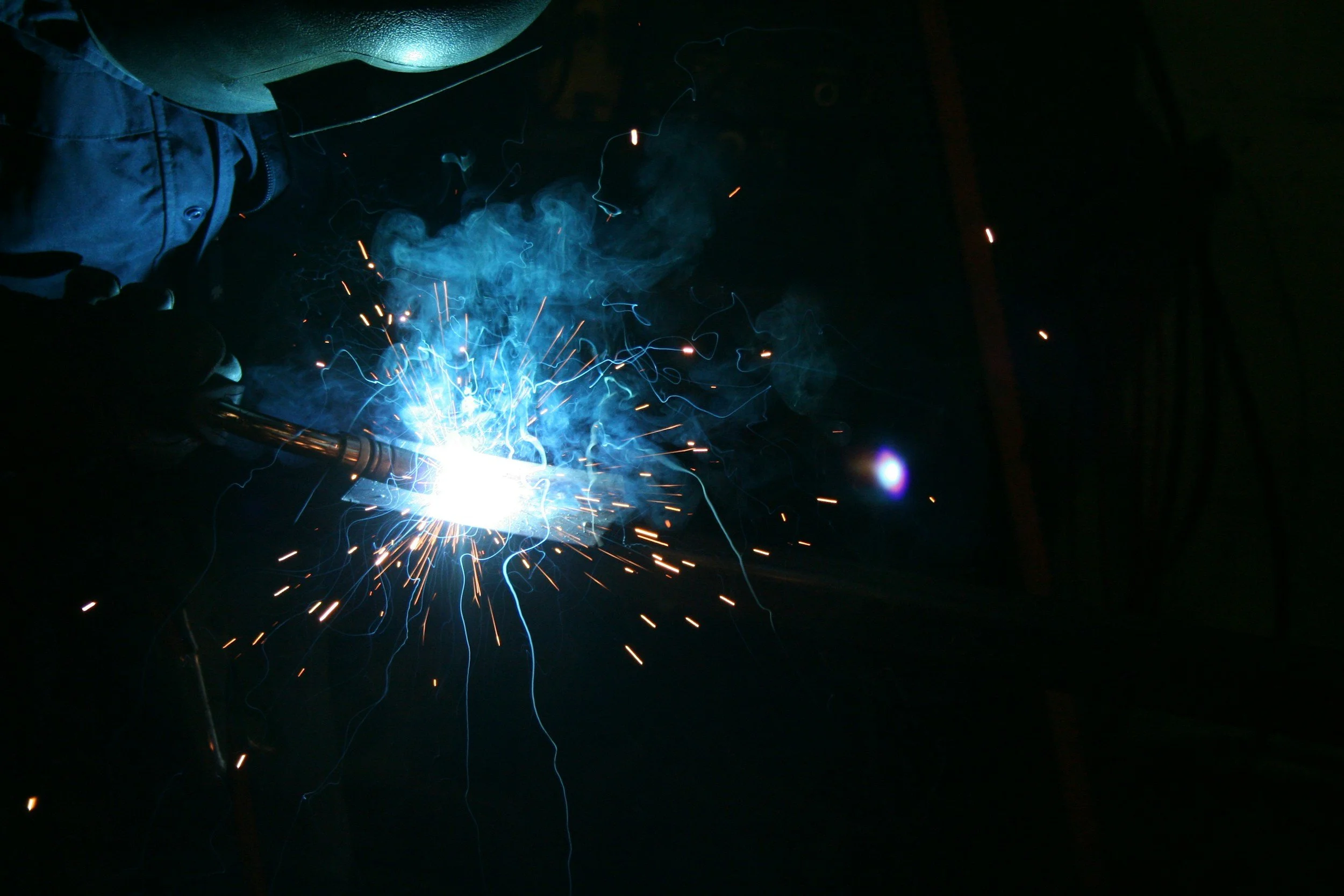
« Stick Welding »
-
![]()
« Plasma Arc Welding »
-
![]()
« Laser Welding »
-
![]()
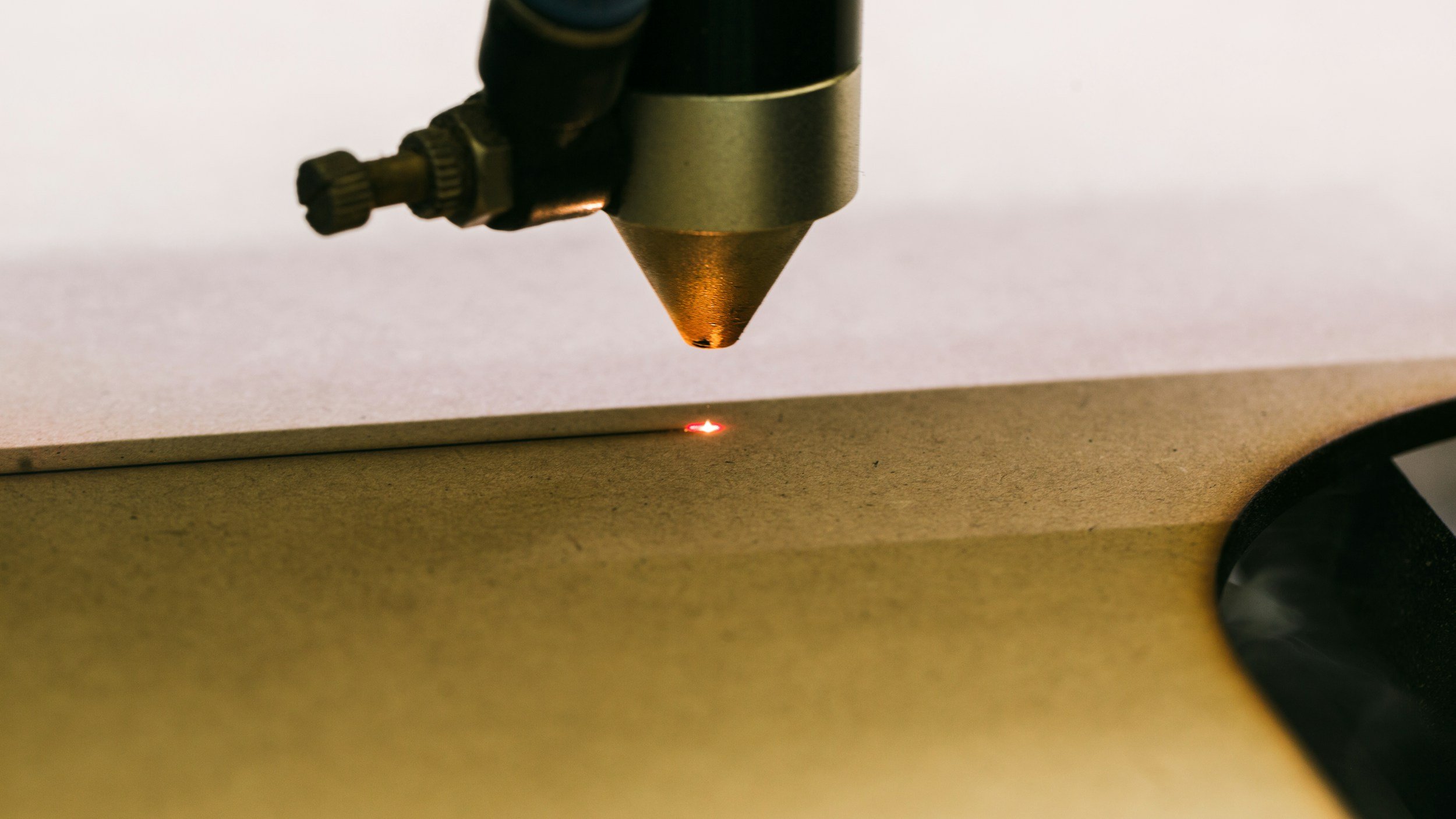
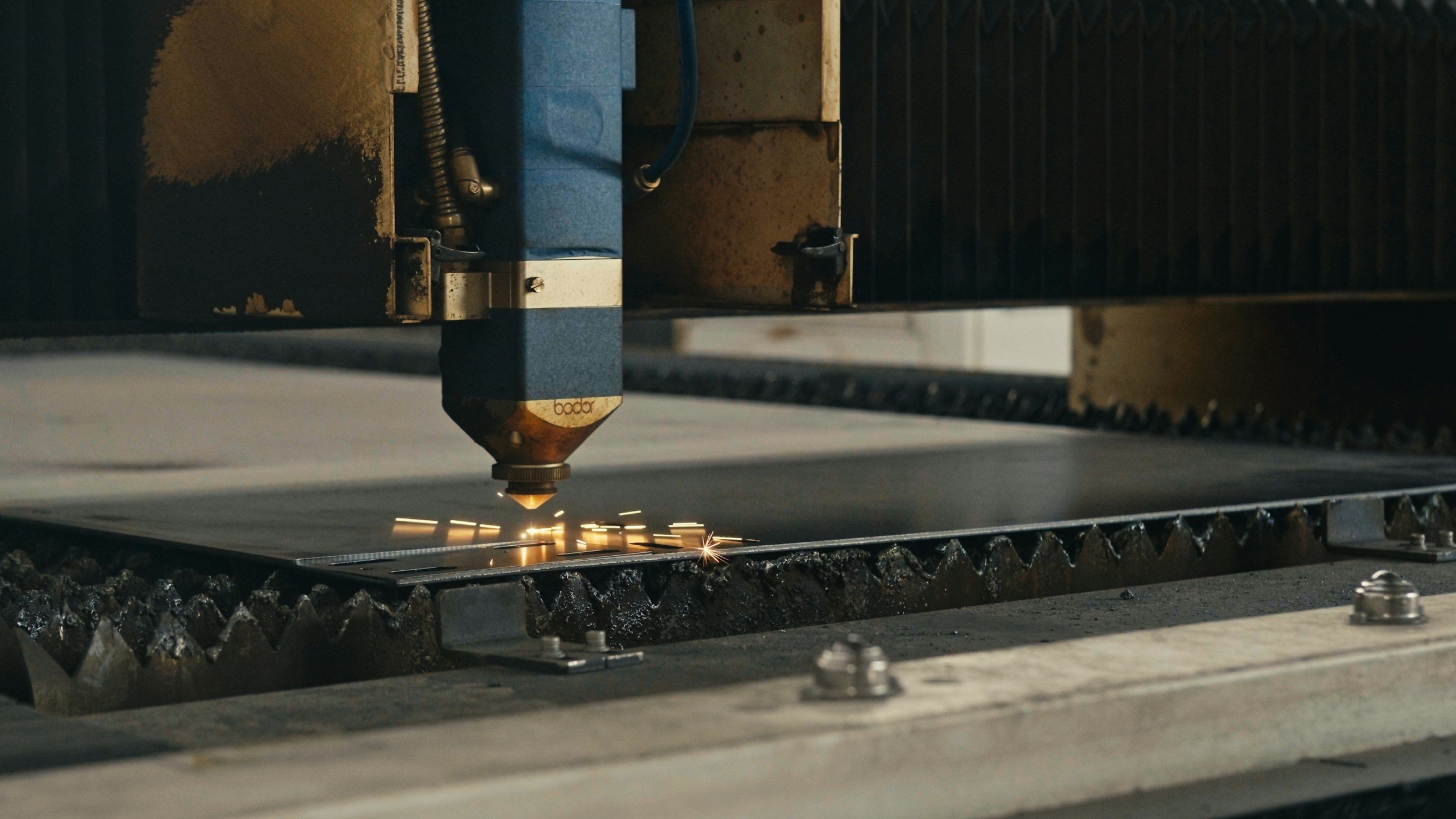
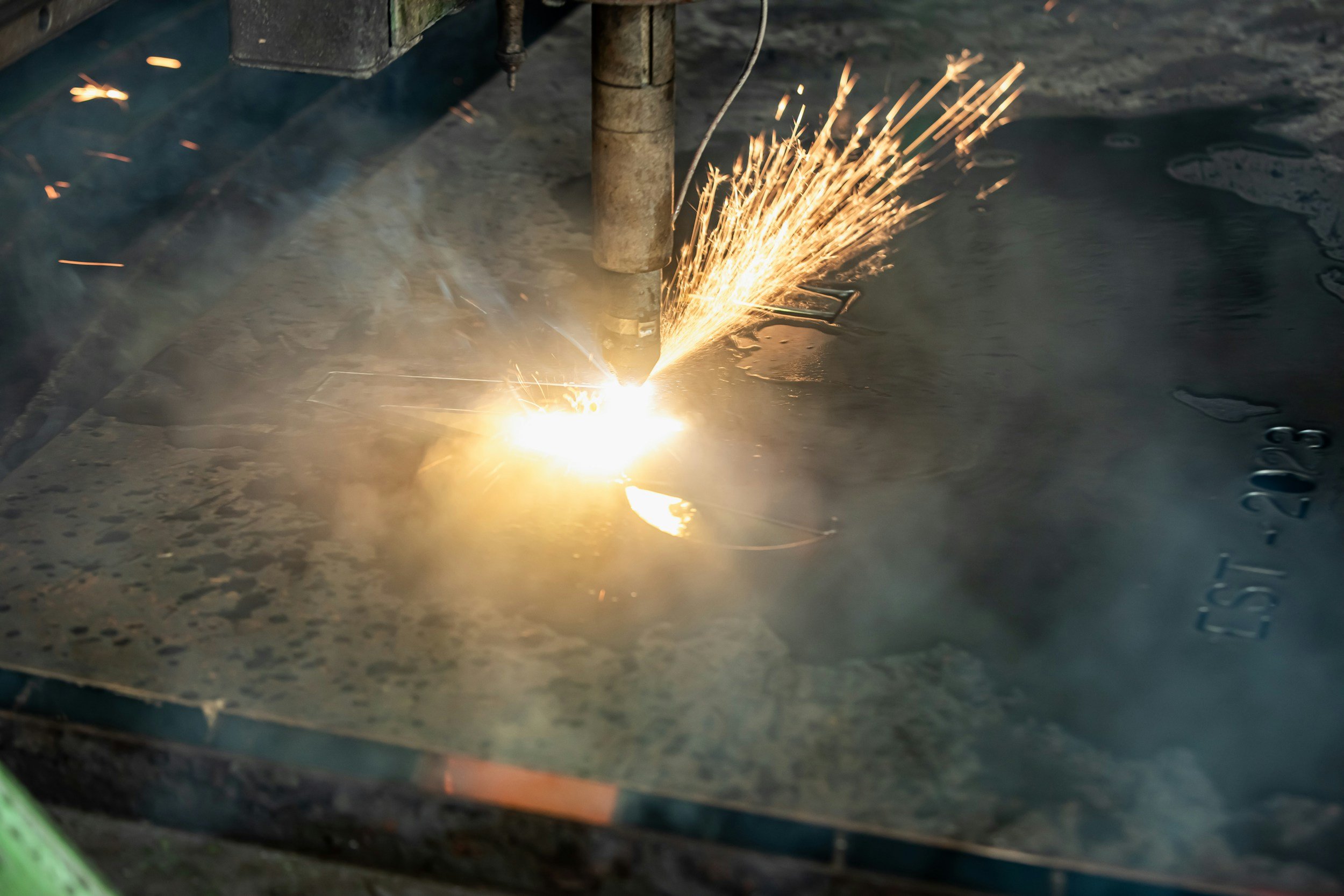
« Laser Cutting »
-
![]()
« Plasma Cutting »
-
![]()
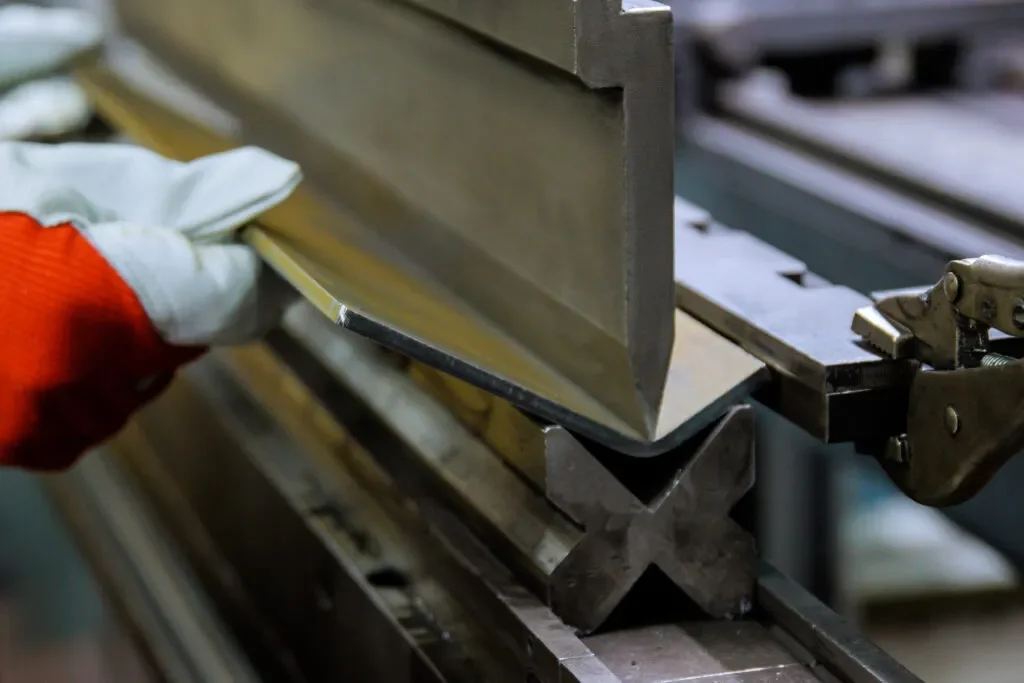
« Metal Forming »

Let’s get to work.
Whether you have a full set of CAD blueprints or just a rough idea on a napkin, we’re ready to talk shop. Reach out today and let’s start building something that lasts.